
What Skin Concerns Can Laser Facials Help Improve?
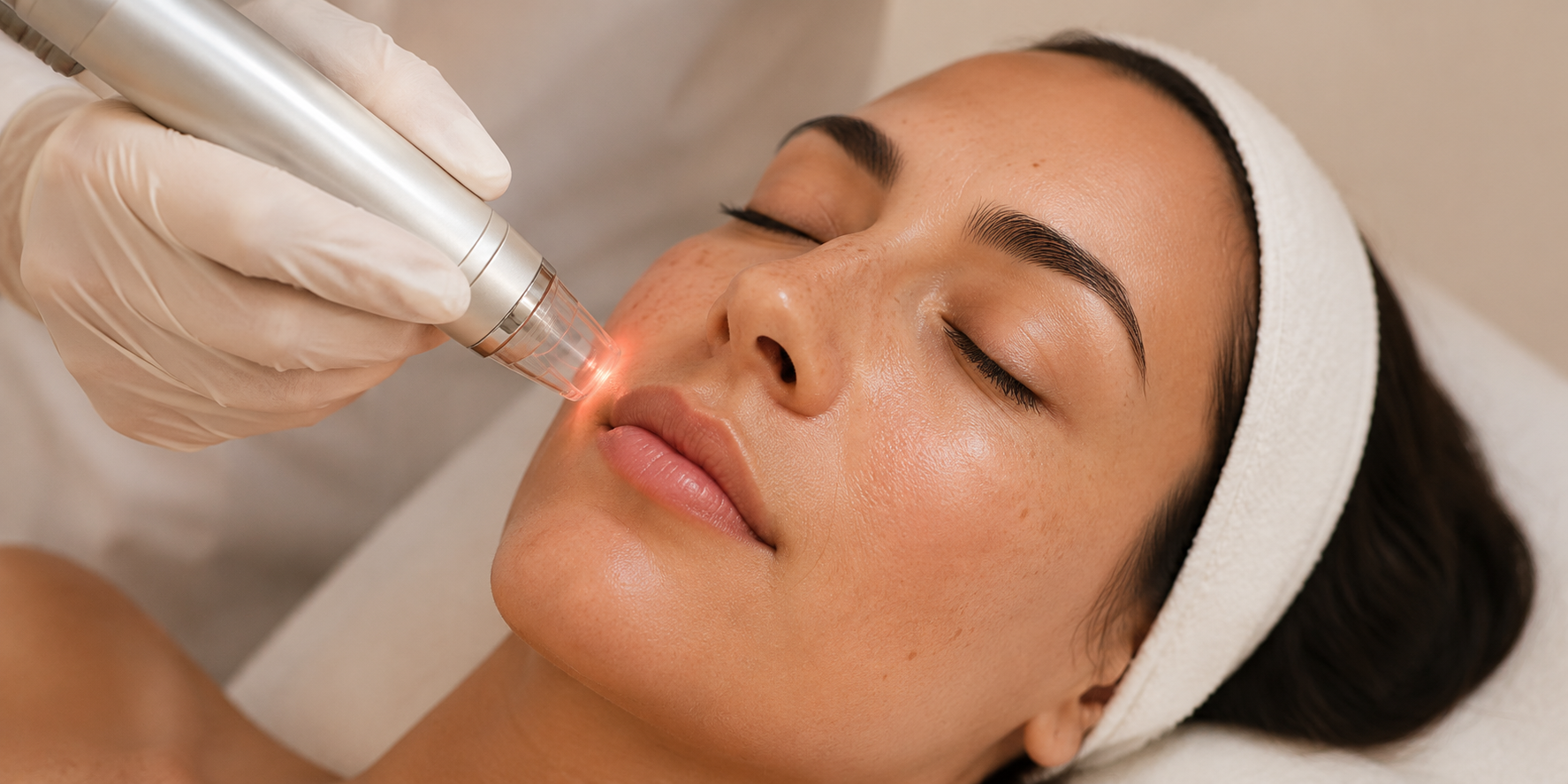
Most people don't start out searching for a specific treatment. They start out frustrated, staring into the mirror wondering why their complexion looks duller than it used to, why the redness never quite settles, and why their skin still bears the markings of a breakout long after it's gone. But our skin is unique in a way that generalized advice – even the well-meaning kind from a friend who swears by a certain product or protocol – tends to miss. Different concerns call for different approaches, which means the useful first step is understanding what a treatment is actually built to address.
Laser facials get used for a wide range of concerns, from tone and texture to the kind of persistent redness that topical products can't quite touch. But what works for one person's skin won't automatically work for another's; suitability comes down to skin type, history, and what you're actually hoping to change. If you're still deciding whether this category makes sense for you at all, the ‘signs laser facials may be right for you’ blog we wrote is worth reading first, as it will help you figure out whether it's worth going further before getting into specifics.
Uneven Skin Tone and Sun Damage
Sun exposure rarely announces itself all at once. Rather, it builds slowly over time, with a patch of discoloration here, a loss of evenness there, until one day your skin tone looks less like a single shade and more like a patchwork. This is one of the concerns laser facials are most often considered for.
Common causes include:
Years of cumulative sun exposure, even without obvious burns
Old marks or patches that never fully faded
A general dullness or patchiness that seems to have crept in gradually
Topical products tend to plateau here for a simple reason: creams and serums work at the surface, and pigmentation usually sits deeper than the surface can reach. That's often the point where people start looking elsewhere. A laser facial, in this context, may help improve the appearance of sun-related discoloration and support a more even-looking complexion. It won’t offer overnight results, but many people notice a gradual shift that builds with consistency.
Persistent Redness
Some skin just never looks calm – and it’s not because of a breakout or an obvious irritant. It's more of a baseline flush, a tendency to redden easily, or a shade of pink that seems permanent rather than passing. This isn't a diagnosis, and it isn't a claim that redness disappears entirely. It's simply that laser facials are commonly considered for skin that appears consistently red or reactive, which is a legitimate reason people look into these treatments.
If you already suspect your redness has a name (a specific condition with a specific trigger) that's worth a professional assessment and deeper conversation. But for the more general, undiagnosed flush without an obvious cause, this is often where people start.
Acne and Post-Breakout Marks
Laser facials aren't positioned as a treatment for breakouts in progress, especially when it comes to active cystic acne. But laser facials are often considered as part of the treatment plan for what happens after: the redness that outlasts the blemish, the mild textural unevenness left behind, and skin that doesn't quite reset once a breakout clears.
To be clear – there's no guarantee of erasing acne scarring here and no promise of deep correction. However, this is one of the more common reasons people look into laser facials in the first place, to help skin look more settled once it's had the chance to heal.
Uneven Texture or Dull-Looking Skin
Sometimes there's no single mark or patch to point to. Instead, there’s just a general sense that skin looks tired, even when the skincare routine is solid and sleep has been decent. Roughness, a lack of clarity, a slightly lackluster quality is less about one flaw and more about the overall impression the skin gives off.
This is a rejuvenation concern, not an anti-aging one, and the distinction matters. It's less about turning back the clock and more about helping skin that's lost some clarity look more like itself again. A lot of people land here after ruling out more specific issues and realizing what they're noticing is closer to overall dullness than any one particular problem.
When Laser Facials May Not Be the Best Fit
Laser facials aren't a match for every concern, or everyone’s skin. Skin that's especially reactive or sensitive can respond in ways that other skin doesn't, and certain medical conditions can change what treatment is actually appropriate.
Ultimately, that is where the utility of generalized advice ends and professional expertise picks up the thread. By talking to someone who can actually look at your skin, ask about your history, and understand what you're hoping for, you can expect the kind of well informed, honest answer that no general guide can give you — including this one. If you're not sure whether your concern fits into what's described above, or whether your particular skin is suited to laser treatments, having a conversation with a professional is your best next step.
Frequently Asked Questions
-
Yes. They're commonly associated with several concerns at once – tone, texture, and the appearance of redness – rather than one narrow issue.
-
It depends on whether you're dealing with active acne or the marks and redness left behind once a breakout has cleared. The two are treated differently, and a professional assessment can tell you which applies.
-
Often, yes. Diffuse or persistent redness is one of the more common reasons people look into laser facials. Results vary person to person, and this isn't a diagnosis of any specific condition.
-
There's no fixed timeline. Some people notice changes sooner than others, and most describe it as gradual rather than immediate, which is part of why talking to a professional about what to realistically expect matters.